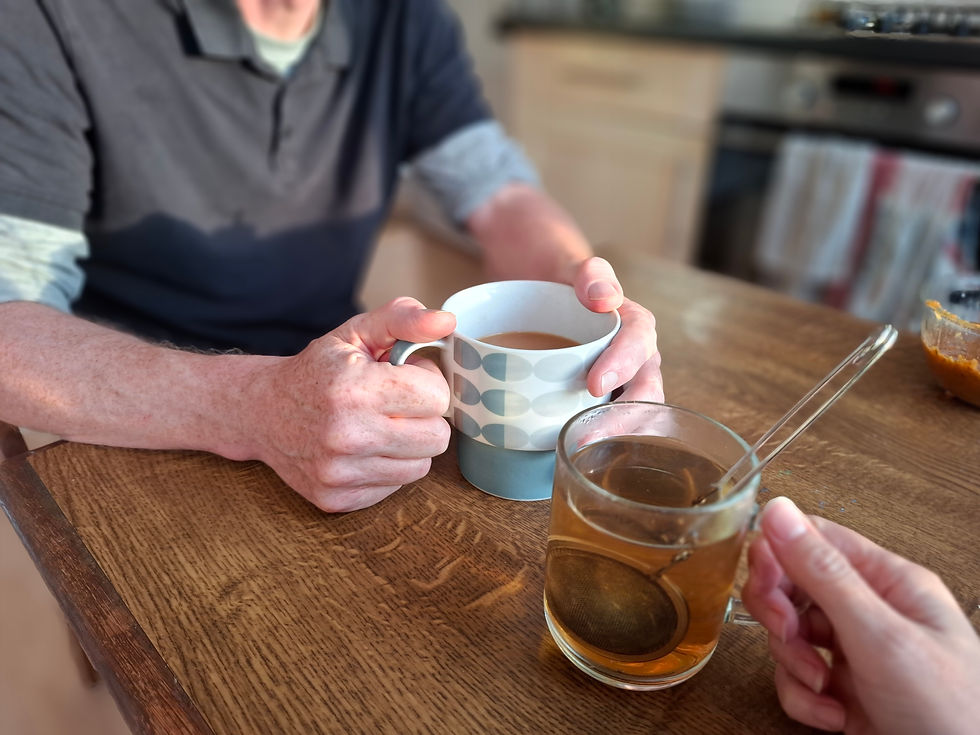
Healing through Community: The impact of psychotherapeutic interventions on mental health outcomes at CHT
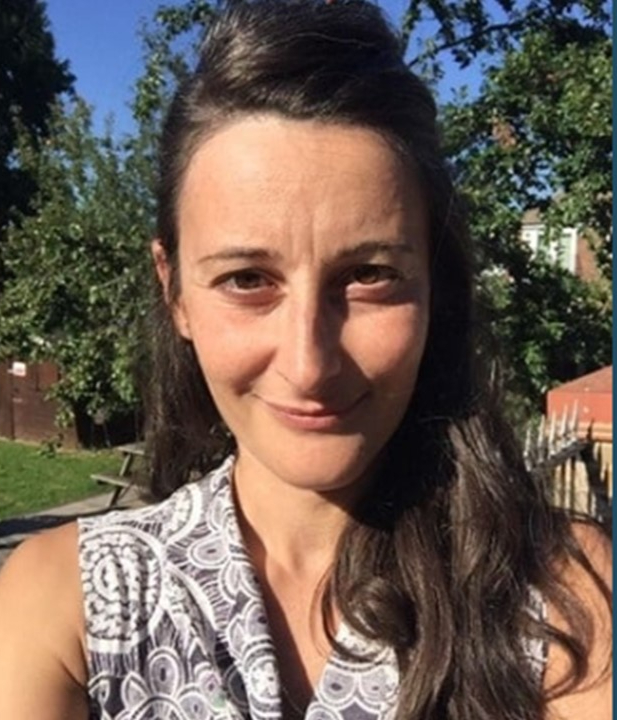
As the clinical lead at Highams Lodge, I’ve witnessed firsthand the transformative power of psychotherapeutic interventions when they’re embedded within a true community.
Historically, therapeutic communities have had very strict entry criteria and high expectations during placements, which means these services are only accessible to a select few with long-term mental health conditions.
At CHT, we combine the Therapeutic Communities model and Psychologically Informed Environment (PIE) principles, and we intentionally welcome people experiencing severe mental distress due to trauma, often exacerbated by deprivation, inequality, and stigma who often sit in that middle place where they are stable enough to be discharged from hospital but might be rejected by most placements as they are deemed “too high risk to work with.”
This makes our work profoundly rewarding because we are reaching some of the most vulnerable people, who would likely struggle to get this kind of specialised treatment due to mental health system cuts over the past 20 years.
The Power of Being With, Not Doing To.
At CHT, the psychotherapeutic intervention is not limited to a weekly session, but delivered by the whole team through a structured, weekly therapeutic programme held within a residential setting that offers 24/7 support and containment.
This collective, consistent presence means that the therapeutic intervention is a lived reality across the week. Staff, too, are supported through regular supervision, clinical meetings and reflective practice, creating an environment where the whole community is contained and supported.
At Highams Lodge, the shift begins quietly.
Residents arriving at CHT often have long histories of broken relationships and disrupted lives. Their clinical notes read like a series of abrupt endings: Discharge. Relapse. Non-engagement. Eviction. Admission. Repeat. Many have been involved with services for years, but rarely had the chance to be met where they are and begin their recovery journey.
The change we see for these residents at Highams Lodge often begins quietly through small moments.
A resident might sit through morning meetings without speaking for months. Another may lash out in fear in shared spaces, then apologise the next day, surprised to find they are still welcome.
Someone who has spent years rejecting professional help, had previously absconded from hospital and slept rough, who didn’t have hope that a placement at CHT could help them, begins to stay during crises or after an argument with another community member.
These small moments are clinically significant. They signal that the person is trusting the container of the community, that the central intervention, the relationship itself, is beginning to work.
This happens not just because setbacks or relapses are accepted, but mainly because people slowly learn that strained relationships can be repaired and relapses can teach us something instead of just repeating old patterns.
Healing through community.
When the whole community (not only staff) responds to distress with curiosity instead of fear and supports one another, and when peers challenge each other with honesty grounded in care, that is when you can see the power of a community that comes together and supports each other through difficult times.
With the community’s support, our residents learn to handle distress, manage their emotions, and express their needs, which are all skills that can’t be taught in a dozen outpatient sessions or fixed by medication alone.
This is why we often say at CHT that relationships are not an adjunct to treatment; relationships are the treatment.
What I think makes CHT special is that we see people as individuals, not just their diagnosis. The hardest part for our residents is seeing themselves as more than “patients” or “service users”. It’s also tough for them to find their voice after it’s been ignored or silenced so often in the past by families or past institutions.

The community helps people explore their skills and strengths through weekly practical groups and activities like cooking, cleaning, budgeting, art, theatre visits, and organisation-wide events. Through practical groups, creative activities, and involvement in community decision-making, residents discover new strengths and reclaim agency.
Meaningful Outcomes
Over the past four years, I’ve been honoured to see what’s possible when people are given time, support, and the right environment. I’ve watched people learn to trust professionals again and build meaningful relationships beyond our community.
Because residents experience relationships in a new, healing way, placement breakdowns drop sharply, breaking long cycles through acute services. Self-harm intensity and frequency often decrease. Emergency calls are greatly reduced. I’ve seen staff and residents grow together, learning to navigate tough days, overcome setbacks, and celebrate progress.
Like any community, ours isn’t perfect. We have tough days and challenges, but the chance to grow is unmatched. But we learn to navigate the ups and downs by giving everyone, residents and staff alike, time to learn, make mistakes, repair, try again, and hopefully move forward.
We proudly offer a human approach that acknowledges that change takes time, that addressing trauma requires slow, skilled care that we learn together, because trauma is always about relationships.
And we offer a place where people are at the centre, with all our perfect imperfections, our eagerness to make a difference, our struggles, and our successes.
This work can’t be summed up as just another skill for a CV or to add to LinkedIn; it’s a life skill that truly matters.